Introduction
Customer Relationship Management (CRM) platforms have rapidly evolved into indispensable tools for modern businesses. Far from their origins as simple customer databases, today’s CRMs are the engines behind marketing automation, sales automation, customer retention strategies, and even
business process optimization. Companies that successfully leverage CRM systems to unify these processes gain a significant advantage: they can scale faster, serve customers better, and make smarter, data-driven decisions.
In the current competitive landscape, automating key workflows is essential. Manual marketing and sales processes are not only inefficient but also prone to human error. CRM platforms like HubSpot, Salesforce, and Zoho CRM enable businesses to automate repetitive tasks, personalize customer journeys at scale, and ensure that sales and marketing teams are working in perfect sync.
This article explores how CRM-driven marketing automation and sales automation contribute to customer retention and business process optimization, ultimately driving long-term growth and operational efficiency.
CRM and Marketing Automation: A Game Changer for Customer Engagement
Marketing automation is the backbone of scalable customer engagement. By integrating CRM platforms with marketing automation tools, businesses can create personalized, multi-channel campaigns that automatically adapt to customer behaviors and preferences. This connection allows marketers to deliver the right message, at the right time, through the right channel.
- Segmentation: CRMs automatically segment audiences based on demographics, purchase history, website interactions, and more, ensuring targeted communication.
- Lead Nurturing: Automated email sequences, content delivery, and follow-ups help guide prospects through the sales funnel without manual intervention.
- Behavioral Triggers: CRM-driven automation can trigger campaigns based on customer actions, like abandoned carts or recent downloads, increasing conversion opportunities.
By automating these processes, businesses can engage thousands of customers simultaneously, building meaningful relationships without exhausting human resources. Most importantly, marketing automation powered by CRM enables continuous optimization through A/B testing, real-time analytics, and performance tracking.
Sales Automation Through CRM: Accelerating Pipelines and Improving Close Rates
Sales automation is another critical function made more effective by CRM platforms. When sales workflows are automated, businesses can significantly reduce the time spent on administrative tasks, improve sales team productivity, and enhance the customer buying experience.
- Automated Lead Assignment: Leads are instantly routed to the appropriate sales reps based on pre-set criteria, ensuring quick follow-ups.
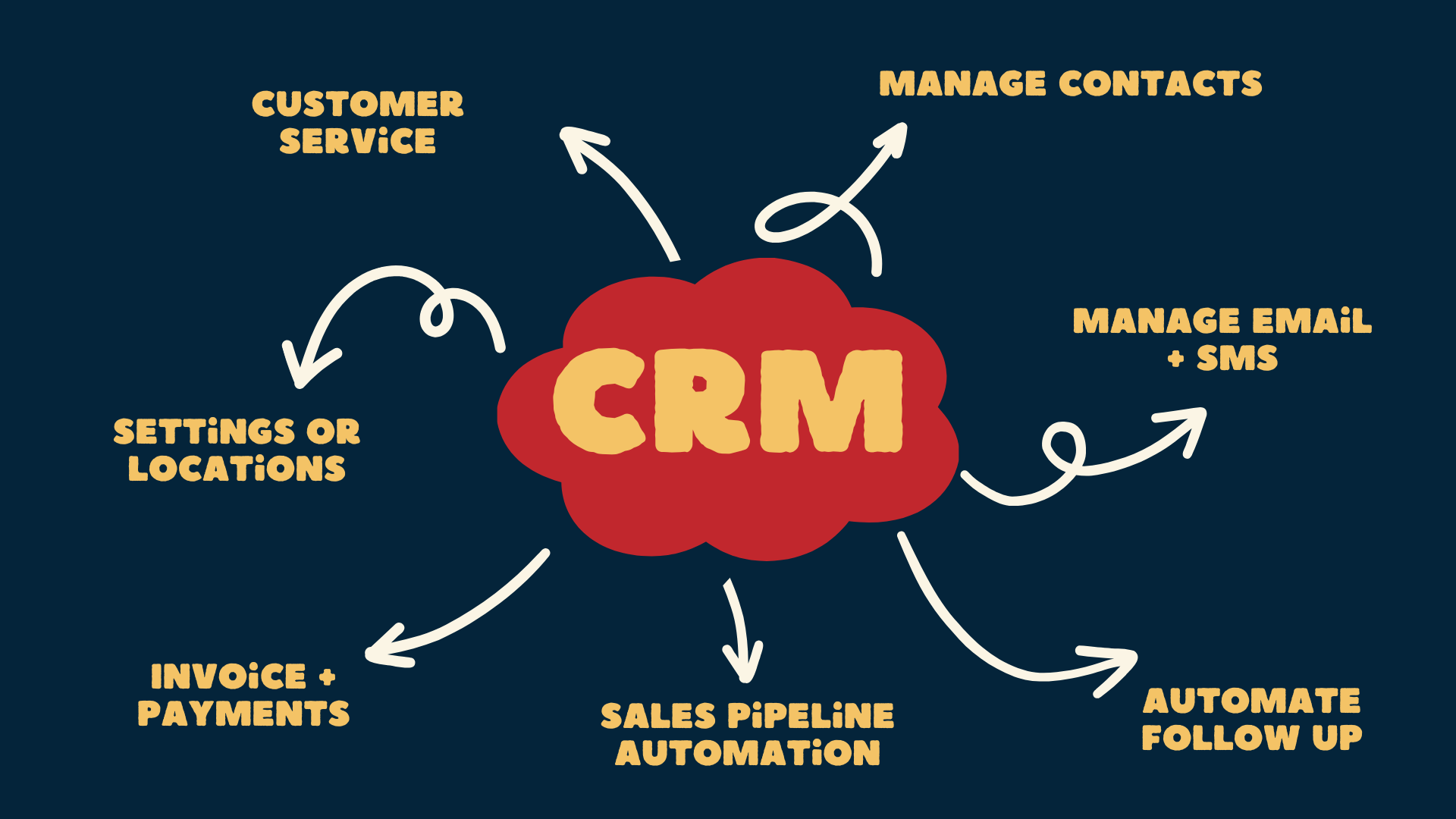
- Sales Pipeline Management: CRMs provide automated reminders, deal stage updates, and real-time visibility into pipeline health.
- Quote and Proposal Generation: Automating document creation speeds up deal closure and minimizes errors.
By leveraging CRM-based sales automation, organizations can shorten sales cycles, improve forecasting accuracy, and ensure no opportunities fall through the cracks. This level of automation allows sales teams to focus on high-impact activities, such as building relationships and negotiating deals.
CRM’s Impact on Customer Retention
One of the most valuable outcomes of CRM-enabled automation is improved customer retention. A well-structured CRM system provides a comprehensive, 360-degree view of each customer, enabling proactive service and personalized experiences that keep customers loyal.
CRM-powered marketing and sales automation contribute to retention in several key ways:
- Timely Follow-ups: Automated check-ins and renewal reminders ensure customers remain engaged post-purchase.
- Customer Feedback Loops: Automated surveys and satisfaction tracking help businesses respond quickly to issues.
- Personalized Upselling: Data-driven insights allow for targeted upsell and cross-sell campaigns based on customer needs.
CRM systems make it easy to track customer satisfaction, identify churn risks, and deliver exceptional service that fosters long-term loyalty. When customers feel valued and understood, they are more likely to continue doing business with a company, increasing lifetime value and reducing acquisition costs.
CRM-Driven Business Process Optimization
Business process optimization is a natural byproduct of CRM integration and automation. With a unified platform managing customer interactions, marketing activities, and sales pipelines, businesses can eliminate redundancies, reduce manual work, and streamline cross-functional collaboration.
- Process Mapping: CRMs help visualize and automate workflows, ensuring consistency and efficiency across departments.
- Real-Time Reporting: Instant access to performance metrics allows teams to adjust strategies quickly and improve processes continuously.
- Seamless Integrations: Modern CRMs connect with financial, HR, and project management systems, creating an end-to-end operational ecosystem.
By optimizing processes through CRM, organizations can scale efficiently while maintaining quality and agility. Improved workflows lead to faster response times, better resource allocation, and ultimately, higher customer satisfaction and profitability.
Conclusion
CRM platforms are the linchpin of modern marketing automation, sales automation, customer retention, and business process optimization. Businesses that fully embrace CRM-driven automation can dramatically improve productivity, enhance customer experiences, and position themselves for sustainable growth.
From automating lead nurturing and sales pipelines to delivering personalized retention strategies, CRM systems offer a unified solution for overcoming the challenges of scale and complexity. By centralizing customer data and streamlining cross-departmental workflows, businesses can operate with greater precision, speed, and customer focus.
If your organization is ready to unlock the full potential of CRM-driven automation, start by evaluating platforms that offer advanced marketing and sales features, seamless integrations, and robust reporting tools. A well-implemented CRM strategy will not only improve operational efficiency but also create loyal, long-term customers who fuel your success for years to come.
"CRM platforms are no longer optional—they are essential engines for automation, customer retention, and scalable growth."